




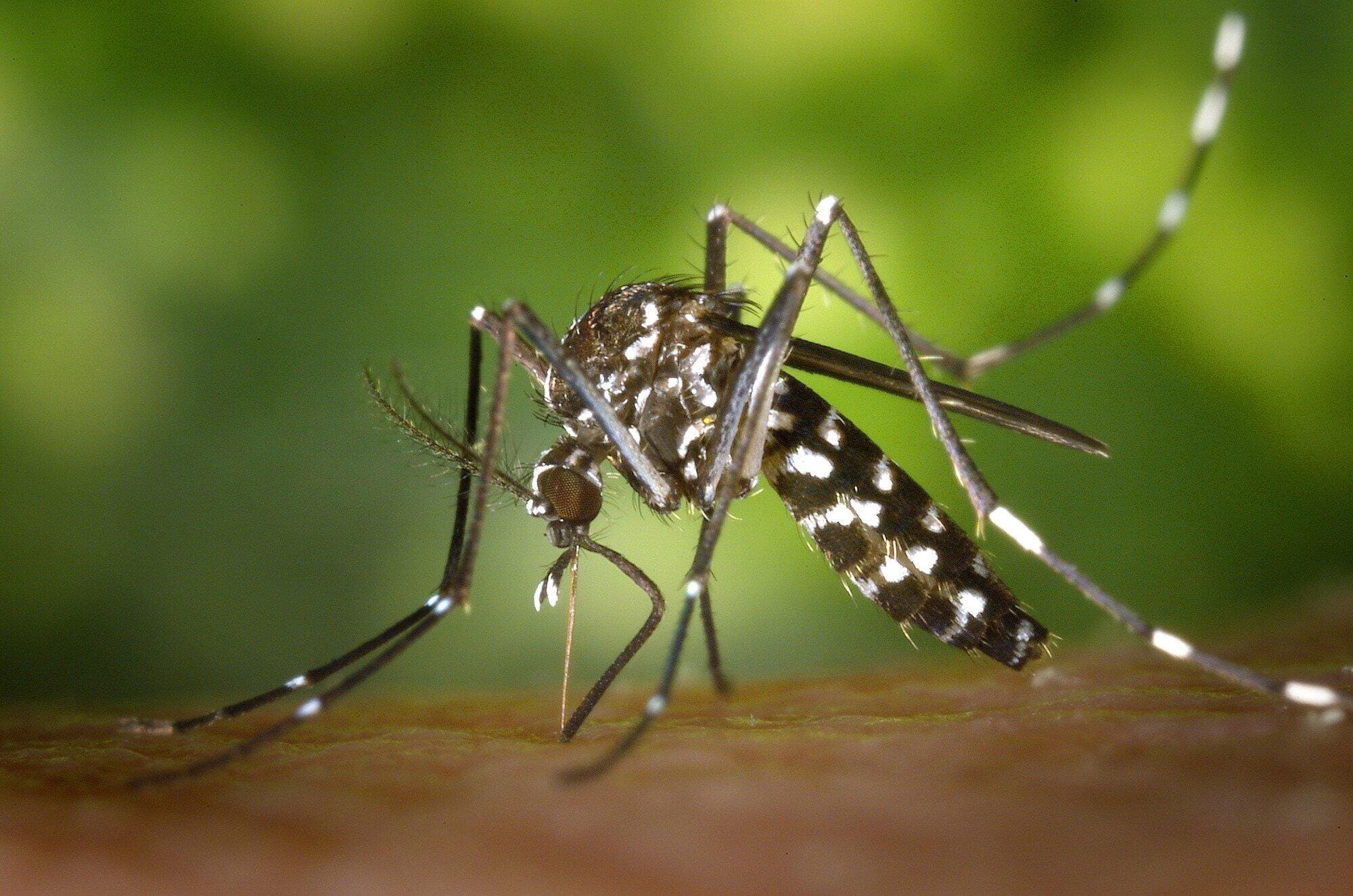
Florida is home to roughly 80 species of mosquitoes, more than almost any other state in the country. For Tampa Bay residents, that is not a fun fact. It is a backyard reality. With an average of nearly 250 days of sunshine and a summer rainy season that delivers daily afternoon downpours, the area gives mosquitoes exactly what they need: warm temperatures, standing water, and dense vegetation.
Beyond the itching and annoyance, mosquitoes pose real health risks to your family and pets, which is why professional mosquito control in Tampa has become less of a luxury and more of a necessity. If you have been putting off addressing the mosquito problem around your home, now is the time to understand why a proactive approach makes all the difference.
Why Tampa Bay Is a Mosquito Hotspot
The science behind Tampa’s mosquito problem is straightforward. Mosquitoes breed in standing water, and Florida’s rainy season, running roughly from June through September, creates abundant breeding sites in flower pots, gutters, bird baths, tarps, and low spots in lawns. Warm temperatures accelerate the life cycle, meaning a new generation can hatch in as little as seven to ten days after eggs are laid.
According to the American Mosquito Control Association, a single female mosquito can lay up to 300 eggs at a time, needing only a bottle cap’s worth of standing water to do it. In a neighborhood full of pools, landscaping, and storm drainage, populations can explode quickly.
The health stakes are real, too. In Tampa Bay and surrounding counties, mosquitoes are known vectors for West Nile virus, Eastern Equine Encephalitis (EEE), Zika virus, and dengue fever. The Florida Department of Health actively monitors mosquito-borne illness activity across the state and issues alerts during peak transmission seasons. For families with young children, elderly relatives, or pets, the risks associated with mosquito bites go well beyond a minor irritation.
The Limits of DIY Mosquito Control
Many homeowners try to tackle mosquitoes with citronella candles, store-bought sprays, or bug zappers. While these can provide temporary relief, they rarely address the root cause: the breeding cycle. Citronella only repels mosquitoes within a very limited range, and most over-the-counter foggers offer residual protection measured in hours, not weeks.
Bug zappers present a similar problem. While they do kill insects, research suggests they are not particularly effective at targeting mosquitoes, which are drawn more to carbon dioxide and body heat than to light. The result is a lot of dead moths and beetles but a yard still full of mosquitoes.
The CDC recommends a multi-pronged approach that includes eliminating standing water, using EPA-registered repellents, and seeking professional pest management for persistent problems. If you are wondering how often to schedule pest control for your Tampa home, the answer for mosquitoes is typically monthly during peak season. For many homeowners, that kind of consistent, professional attention is the only approach that delivers lasting results.
What Professional Tampa Pest Control Actually Looks Like
A quality Tampa pest control company approaches mosquito management with a plan, not just a spray can. Effective treatment typically involves several key steps that work together to reduce mosquito populations and keep them from rebounding.
Source reduction is the first step, which means identifying and eliminating standing water around your property. This breaks the breeding cycle before it starts and is the foundation of any responsible program. A trained technician will often spot breeding sites that homeowners overlook, such as clogged downspouts, low-lying areas in the lawn, and water that collects under outdoor furniture.
Barrier treatments involve applying EPA-approved residual treatments to shrubs, trees, and shaded areas where mosquitoes rest during the day. A well-applied barrier treatment can significantly reduce adult mosquito populations for weeks at a time.
Larviciding means treating water features and drainage areas where standing water cannot be fully eliminated. Larvicides target mosquito larvae before they ever mature into biting adults, stopping the population cycle at its source.
Recurring service ties it all together. Because mosquito populations rebound quickly during rainy season, monthly or bi-monthly treatments are typically needed to maintain control throughout the year. A one-time treatment simply is not enough to keep up with Tampa Bay’s climate and breeding conditions.
Tampa Bay’s pest pressures do not stop at mosquitoes, either. Many homeowners dealing with outdoor insects are also contending with termites invading Tampa Bay properties at the same time, making a comprehensive pest management plan a smart investment for long-term home protection.
Serving Tampa, Brandon, Wesley Chapel, and Surrounding Areas
One of the most common questions we hear is whether we service a specific neighborhood. For most of Tampa Bay, the answer is yes.
Pest control in Tampa is our home turf, but our service area extends well beyond city limits. We regularly serve homeowners and businesses in Brandon, Wesley Chapel, and surrounding Hillsborough County communities. Whether you are in a newer Wesley Chapel subdivision dealing with construction-related drainage issues, or in an older Brandon neighborhood with mature landscaping and plenty of shaded areas, our team understands the pest pressures specific to your area and knows how to address them effectively.
Each part of the Tampa Bay region comes with its own set of challenges. Newer developments often have drainage issues tied to ongoing construction, while older neighborhoods tend to have more mature tree canopies and dense shrubs that create ideal resting spots for mosquitoes. Our technicians are familiar with both and bring the right tools and treatments for each situation.
What Sets Chet’s Apart as an Exterminator in Tampa
Chet Rowland has been in the pest control industry for over 40 years. Chet’s Termite & Pest Management backs every service with a money-back guarantee because results are the only thing that matters.
Our 57-point inspection process gives us a comprehensive picture of your property’s pest pressures before we ever treat a thing. That means fewer callbacks, better outcomes, and a plan actually tailored to your home rather than a one-size-fits-all approach common to other exterminator Tampa services. When you work with Chet’s, you are working with a team that has spent decades learning exactly what it takes to keep Tampa Bay homes pest-free.
We also believe in educating our customers. Understanding why mosquitoes are drawn to certain areas of your yard and what conditions allow them to thrive puts you in a better position to maintain results between treatments. Our team takes the time to walk you through what we find and what we recommend, so you are never left guessing.
Frequently Asked Questions
Does heavy rain increase mosquito activity in Tampa?
Yes. Florida’s summer downpours create stagnant pockets in gutters and low spots that mosquitoes use as nurseries. While rain can flush out some larvae, the population usually spikes 48 to 72 hours after a storm as eggs hatch in the fresh standing water.
Are mosquitoes active during Tampa winters?
Mosquitoes in Tampa rarely disappear because our climate seldom maintains freezing temperatures. Instead, they enter a state called diapause where their activity slows, but they will emerge to bite whenever temperatures rise back into the 70s or 80s.
How does professional control protect pets?
Reducing the mosquito population in your yard lowers the “vector pressure” on your pets, who are at risk for heartworm disease transmitted by bites. Professional treatments target the specific shaded resting areas where these disease-carrying species congregate during the day.
Take Back Your Yard With Expert Mosquito Control
Mosquito season in Tampa Bay does not truly end. It slows down slightly in cooler months before ramping back up each spring. Proactive mosquito control is the most effective way to protect your family and reclaim your outdoor spaces all year long. Contact Chet’s Termite & Pest Management today to schedule your free 57-point inspection. Call (813) 935-7554 or schedule online.
 FREE 57-Point Inspection
 100% Money Back Guarantee


