




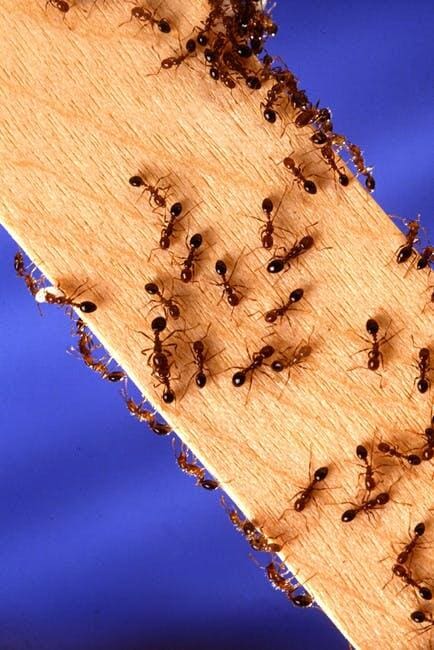
Florida carpenter ant infestations can quietly damage wood structures and spread through wall voids, attics, and moisture-prone areas before homeowners realize there is a problem. Early identification and fast treatment are essential because these ants often expand into large satellite colonies throughout the property.
Unlike termites, carpenter ants do not eat wood. However, they tunnel through damp or weakened wood to create nesting galleries, which can still lead to costly structural concerns over time.
How Can You Identify a Florida Carpenter Ant?
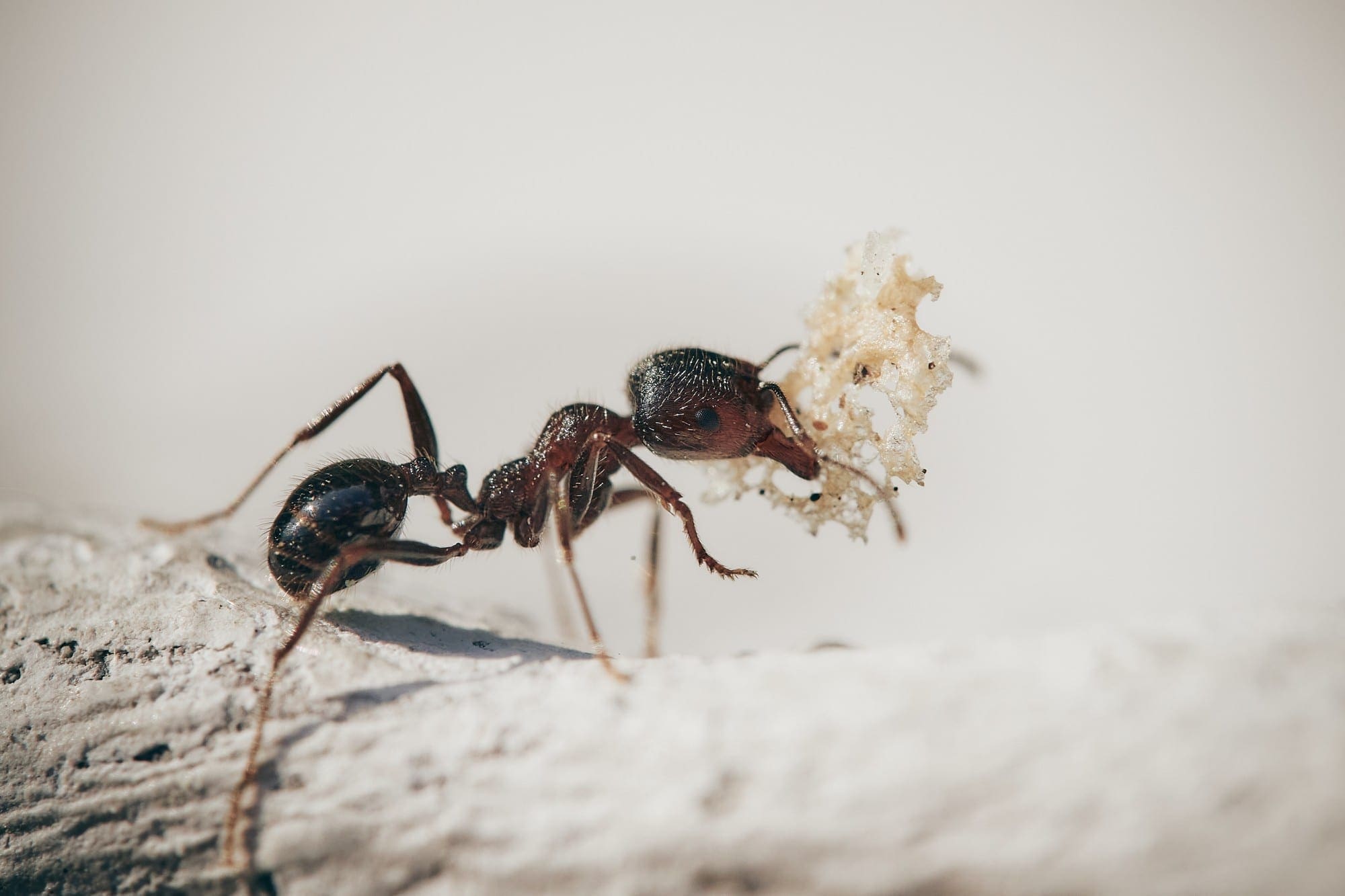
Florida carpenter ants are noticeably larger than many other household ants. Workers can range from one-quarter inch to nearly three-quarters of an inch long, depending on their role within the colony.
Most Florida carpenter ants appear reddish, orange, dark brown, or black. Their bodies have a smooth, rounded thorax and a single-node waist.
Common identification features include:
- Large body size
- Dark or reddish coloring
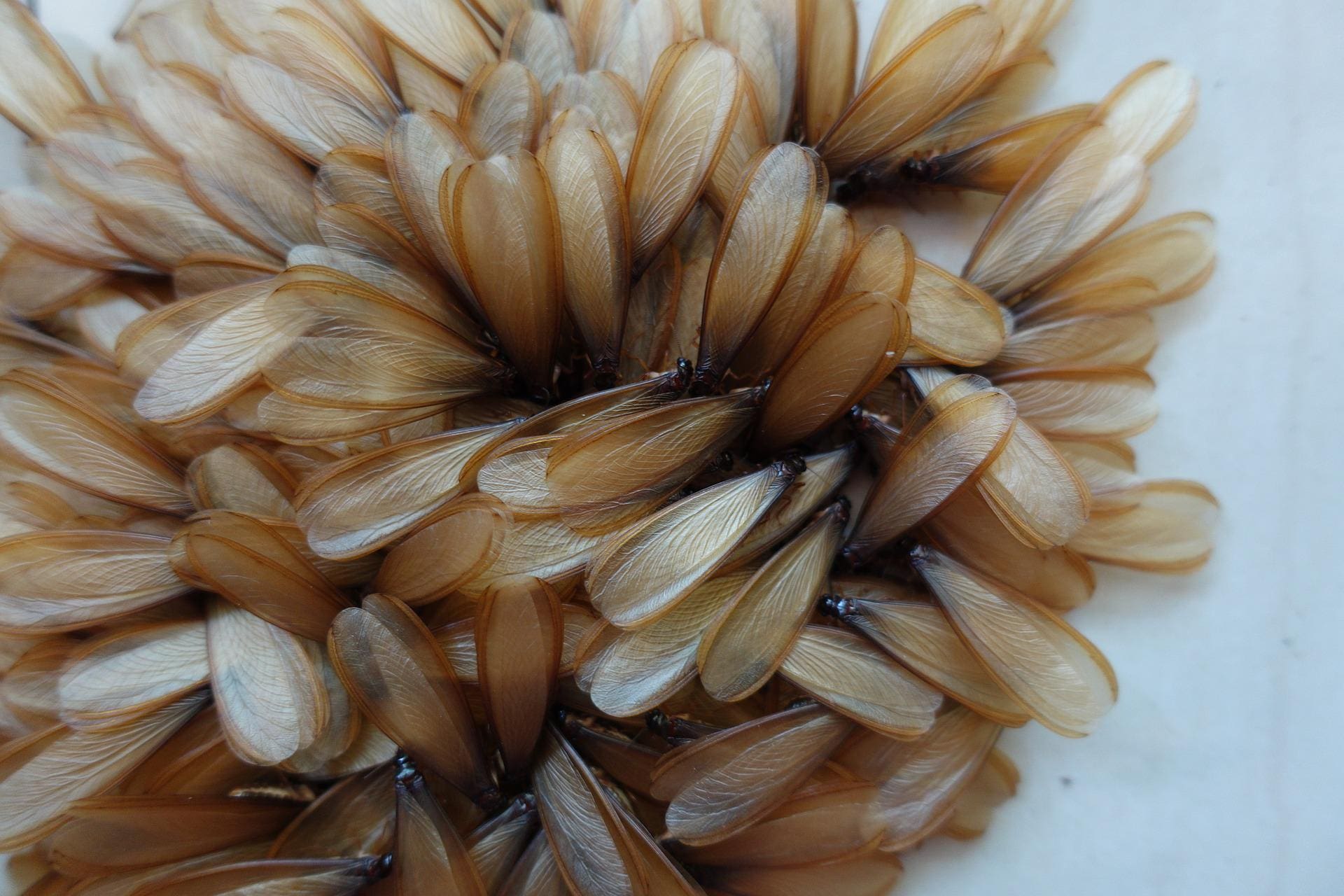
- Winged swarmers during warmer months
- Sawdust-like debris near nesting areas
- Rustling noises inside walls
Homeowners sometimes confuse carpenter ants with termites because both can appear around damaged wood. However, carpenter ants have bent antennae, narrow waists, and uneven wing sizes, while termites have straight antennae and thicker bodies.
Where Do Carpenter Ants Usually Nest?
Understanding the typical carpenter ant habitat can help homeowners spot problems earlier. These ants prefer moist or damaged wood because it is easier to tunnel through.
In Florida homes, colonies often develop near moisture sources created by leaks, humidity, or poor ventilation.
Common nesting areas include:
- Attics with roof leaks
- Wall voids near plumbing
- Window frames and door casings
- Tree stumps and landscape timbers
- Wooden decks and fences
Satellite colonies may also spread into kitchens, bathrooms, or garages once ants establish activity indoors. Moisture problems often attract carpenter ants long before homeowners notice visible damage.
What Causes Carpenter Ant Problems in Florida?
Florida’s humidity and heavy rainfall create ideal nesting conditions for many Florida ant species. Carpenter ants are especially drawn to wood that stays damp for long periods.
Leaking roofs, clogged gutters, poor drainage, and condensation around HVAC systems can all increase the risk of infestation.
Several conditions can increase carpenter ant activity:
- Excess moisture around wood
- Rotting exterior trim
- Dense landscaping against the structure
- Firewood stored near the home
- Untreated cracks or entry gaps
Proactive Move: Make sure there’s a downspout spaced every 50 feet of roof. Install gutter extensions to direct water at least 4 feet away from your foundation.
How Can Homeowners Spot an Infestation Early?
Carpenter ants are usually most active at night, which makes early infestations difficult to detect. Homeowners often first notice wandering ants in kitchens, bathrooms, or near windows after sunset.
Sawdust-like material called frass is another important warning sign. Unlike termites, carpenter ants push wood shavings and insect debris out of their galleries as they expand nests.
Visible frass often means the colony has already been active for some time.
Early infestation signs may include:
- Large ants appearing indoors repeatedly
- Soft rustling sounds inside walls
- Piles of wood shavings
- Winged ants near lights
- Moisture-damaged wood around the property
Homeowners who notice repeated activity should schedule professional inspections quickly before colonies spread further.
Why Is Professional Pest Control Important?
DIY sprays may eliminate visible ants temporarily, but they rarely reach hidden nesting galleries inside walls or structural wood. Successful carpenter ant treatment requires locating both the primary colony and any satellite colonies.
Professional technicians understand how to identify activity patterns, nesting locations, and structural vulnerabilities throughout the property.
Florida carpenter ant colonies may contain thousands of ants and multiple nesting locations, making complete elimination difficult without targeted treatment.
Long-term control depends on treating the source of the infestation, not just the visible ants.
Professional ant infestation solutions may include:
- Detailed property inspections
- Moisture source identification
- Targeted treatment applications
- Entry point sealing recommendations
- Ongoing monitoring and prevention
According to the U.S. Department of Energy, when insulating a home, if insulation touches the ground or traps moisture, it can create ideal nesting conditions for carpenter ants, among other insects like termites, behind walls and under floors.
How Does Home Ant Prevention Reduce Future Problems?
Preventive maintenance can significantly lower the risk of future carpenter ant activity. Reducing moisture and limiting access points are two of the most effective strategies.
Helpful prevention strategies include:
- Repairing plumbing or roof leaks quickly
- Keeping gutters clear
- Trimming vegetation away from the home
- Replacing rotted wood promptly
- Scheduling routine pest inspections
Homeowners can also learn more about routine pest control scheduling to help reduce year-round pest risks in Tampa Bay.
Frequently Asked Questions
Do Carpenter Ants Bite People?
Carpenter ants can bite if disturbed, although they are not considered aggressive toward people. Larger ants may also spray small amounts of formic acid, which can cause mild irritation on sensitive skin.
Are Carpenter Ants More Active During Certain Seasons?
In Florida, carpenter ants can remain active throughout most of the year because of the warm climate. Activity often increases during humid periods and after heavy rainfall.
Can Carpenter Ants Damage Healthy Wood?
Carpenter ants usually prefer damp or weakened wood because it is easier to tunnel through. However, large colonies may eventually expand into sound wood as nesting galleries grow.
How Long Does Carpenter Ant Treatment Usually Take?
Treatment timelines depend on the size of the colony, the number of nesting sites, and the condition of the property. Some infestations improve quickly, while larger problems may require follow-up visits and ongoing monitoring.
Protect Your Property From Florida Carpenter Ant Infestations
A growing Florida carpenter ant problem can lead to hidden structural damage, recurring indoor activity, and costly repairs if left untreated. Early inspections and professional treatment help protect your home before colonies spread.
Chet’s Termite & Pest Management has protected Tampa Bay properties for more than 40 years with targeted termite and pest solutions backed by a 100% money-back guarantee. From ant control to termite protection and mosquito treatments, the team provides experienced service designed for Florida homes and conditions.
Contact us today at Chet’s Termite & Pest Management to schedule your inspection and protect your property from carpenter ant activity.
 FREE 57-Point Inspection
 100% Money Back Guarantee


